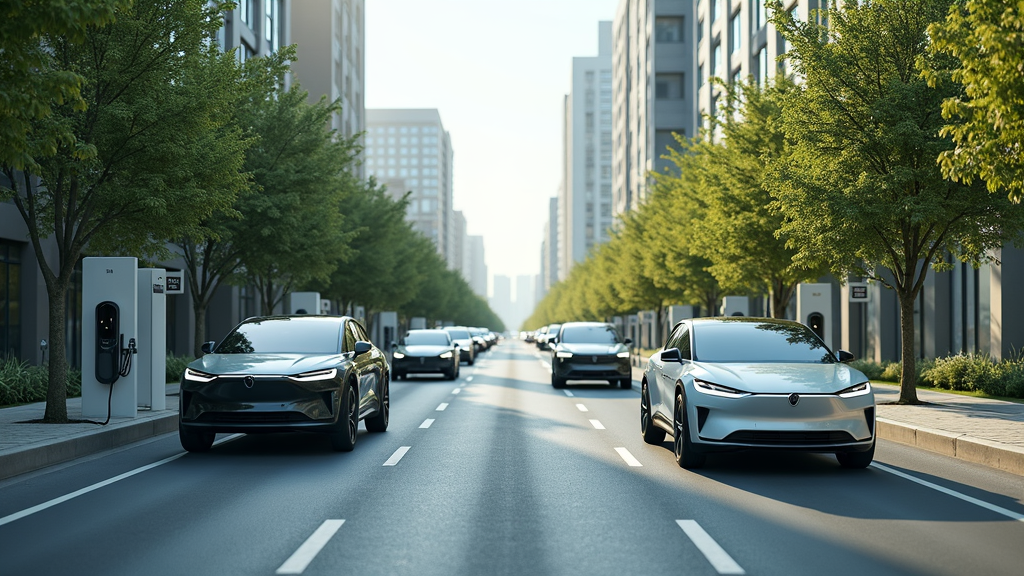
Electric vehicles (EVs) have emerged as a cornerstone of sustainable transportation, reshaping the landscape of the automotive industry in remarkable ways. With growing concerns over climate change and the urgent need to reduce carbon footprints, the surge in EV growth is a clear indicator of shifting consumer preferences. Electric car technology continues to evolve at a rapid pace, enhancing the appeal of these eco-friendly options. As we look toward the future of EVs, the focus is not only on innovation but also on the adoption of electric vehicles across various demographics. This transformative movement promises to redefine how we think about mobility, pushing us closer to a greener, more sustainable world.
The emergence of electric automobiles represents a revolutionary shift in how we approach personal transportation. As the global climate crisis deepens, many are turning to these green alternatives as solutions to reduce environmental impact. Innovative advancements in battery designs and charging systems have made these eco-conscious vehicles increasingly appealing. The growing acceptance and interest in battery-powered cars indicate a promising trend for the future, where our roads may be dominated by cleaner, more efficient modes of travel. As society embraces these technologically advanced vehicles, their widespread adoption marks a significant leap toward sustainable living.
- The Future of Electric Vehicles: A Growing Trend
- Environmental Benefits of Electric Cars
- Technological Breakthroughs in EVs
- The Role of Charging Infrastructure in EV Adoption
- Consumer Perceptions and the Shift Towards Sustainability
- Market Dynamics and Competition in Electric Vehicle Manufacturing
- Government Incentives and Policies Supporting EV Growth
- Consumer Education: Bridging the Knowledge Gap on EVs
- The Economic Impact of Electric Vehicle Adoption
- Frequently Asked Questions
- What are the key factors contributing to the growth of electric vehicles (EVs)?
- How do electric vehicles impact the environment compared to traditional cars?
- What technological advancements are driving the future of EVs?
- How is the charging infrastructure evolving to support electric vehicle adoption?
- What role do traditional car manufacturers play in the electric vehicle market?
- What factors influence consumer behavior towards electric vehicle adoption?
- What is the outlook for the future of electric vehicles?
- Summary
The Future of Electric Vehicles: A Growing Trend
The future of electric vehicles (EVs) looks incredibly promising as we witness a significant shift in consumer and industry attitudes toward sustainable transportation. With increasing concerns over climate change and environmental degradation, electric vehicles are emerging as a viable solution to reduce our carbon footprint. Major automotive manufacturers are investing heavily in EV technology, ensuring that a wider array of models will soon hit the market, attracting diverse consumers with varying financial capabilities and preferences.
Moreover, projections indicate a continued trend of EV growth, with many experts predicting that by the year 2030, electric vehicles will comprise a substantial percentage of all vehicle sales worldwide. This transition is not only a response to consumer demand for greener alternatives but also a strategic move by manufacturers to stay competitive in the evolving automotive landscape. The growing acceptance of electric vehicles signals a broader acknowledgment of their role in the future of transportation.
Environmental Benefits of Electric Cars
One of the key drivers behind the shift towards electric vehicles is their significant environmental benefits. Unlike traditional gasoline-powered vehicles, electric cars produce zero tailpipe emissions, which dramatically lowers their contribution to air pollution and greenhouse gas emissions. This feature aligns perfectly with global efforts aimed at combating climate change and fostering sustainable transportation solutions.
Moreover, the energy sources used to charge electric vehicles are increasingly becoming cleaner as renewable energy technologies advance. Many electric cars now benefit from power generated by wind, solar, or hydroelectric sources, which further enhances their eco-friendliness. The combined effect of transitioning to electric vehicles is anticipated to substantially reduce urban air pollution while simultaneously decreasing national carbon footprints.
Technological Breakthroughs in EVs
The evolution of electric car technology is at the forefront of the automotive industry’s transformation. One major advancement is the development of high-capacity batteries, which have dramatically improved the range and performance of EVs. Innovations such as solid-state batteries offer the potential for even greater efficiency and safety, addressing concerns about battery life and recharge times. These technological breakthroughs are foundational for encouraging electric vehicle adoption, as they help dispel misconceptions about range anxiety and charging inconvenience.
Moreover, the integration of advanced software and artificial intelligence is enhancing the overall driving experience in electric vehicles. Features such as regenerative braking and intelligent energy management systems not only improve efficiency but also offer drivers a seamless experience. As these technologies continue to evolve, they will further boost consumer confidence in electric vehicles and solidify their role in the future of sustainable transportation.
The Role of Charging Infrastructure in EV Adoption
The availability of a robust charging infrastructure is essential for the widespread adoption of electric vehicles. As more consumers consider transitioning to electric cars, the presence of easily accessible charging stations becomes a decisive factor in their decision-making process. Urban and suburban areas are responding by expanding their EV charging networks, with various stakeholders, including governments and private sectors, collaborating to make charging stations more available.
Additionally, the emergence of fast charging technology is revolutionizing the EV landscape. These chargers can significantly reduce the amount of time necessary to recharge an electric vehicle, making it much more convenient for drivers to incorporate EVs into their daily lives. As charging infrastructure continues to grow and improve, it is likely to eliminate one of the final barriers to electric vehicle adoption, further cementing their position in the automotive world.
Consumer Perceptions and the Shift Towards Sustainability
As awareness of environmental issues increases, consumer perceptions of vehicles are evolving. Many buyers now prioritize sustainability in their purchasing decisions, leading to a notable shift toward electric vehicles. Various studies indicate that consumers are willing to pay a premium for cars that contribute positively to the environment, proving that the market is responding to changing values surrounding transportation.
Moreover, the widening range of electric models—from compact cars to SUVs—ensures that there is something for everyone. With manufacturers catering to diverse preferences and budgets, electric vehicles are becoming more accessible, which encourages a broader segment of the population to consider the switch to a more sustainable mode of transportation. This changing consumer behavior signifies a pivotal moment in the automotive industry, especially for electric vehicle adoption.
Market Dynamics and Competition in Electric Vehicle Manufacturing
The electric vehicle market is becoming increasingly competitive as traditional automotive manufacturers pivot towards electric models. Recognizing the shifting landscape—driven by consumer demand, regulatory pressure, and environmental accountability—companies like Ford and General Motors are making significant investments in developing electric vehicle line-ups. This transition not only reflects an adaptation to market dynamics but also signifies a commitment to sustainability and innovation.
Additionally, emerging companies in the EV sector are challenging established brands, which is driving innovation and enhancing choices for consumers. As competition heats up, the rapid development of new technology and features in electric vehicles will likely continue, reinforcing the commitment of the automotive industry to meet the growing expectation for sustainability in transportation.
Government Incentives and Policies Supporting EV Growth
Governments worldwide are playing a crucial role in promoting electric vehicle adoption through various incentives and supportive policies. These initiatives range from tax credits and rebates for EV purchasers to investments in expanding charging infrastructure. By making electric cars more financially accessible, these measures help alleviate the cost barrier that many potential buyers face, further encouraging the shift towards sustainable transportation alternatives.
In addition to financial incentives, governments are also enacting regulatory measures aimed at reducing carbon emissions associated with internal combustion engine vehicles. These regulations are pushing manufacturers to invest in electric vehicle technology, fostering a more sustainable automotive industry. As these supportive policies continue to evolve, they will further enhance the position of electric vehicles in the market.
Consumer Education: Bridging the Knowledge Gap on EVs
Consumer education is a critical component in the successful adoption of electric vehicles. Many potential buyers still hold misconceptions around EV technology, such as worries over performance, battery life, and charging capabilities. Targeted educational campaigns can help bridge this knowledge gap, providing consumers with the facts they need to make an informed decision about transitioning to electric vehicles.
Workshops, online resources, and educational materials can demystify electric vehicles and showcase their advantages, including long-term cost savings and contributions to reducing carbon emissions. By effectively communicating the benefits and practical considerations of owning an electric vehicle, we can empower consumers to choose sustainable transportation options confidently.
The Economic Impact of Electric Vehicle Adoption
The economic implications of electric vehicle adoption are significant and multifaceted. As the electric vehicle market grows, it creates new job opportunities across various sectors, including manufacturing, charging infrastructure, and renewable energy. This shift not only contributes to economic growth but also fosters technological innovation, positioning industries to thrive in a sustainable future.
Furthermore, as electric vehicles become more mainstream, they can help reduce reliance on fossil fuels, which has favorable economic implications for both consumers and governments. Lower fuel and maintenance costs associated with electric vehicles can lead to increased disposable income for households, thereby positively impacting local economies. The transition to electric vehicles has the potential to reshape economic landscapes and encourage sustainable growth.
Frequently Asked Questions
What are the key factors contributing to the growth of electric vehicles (EVs)?
The key factors contributing to the growth of electric vehicles include increasing environmental awareness, advancements in electric car technology, supportive government policies, expanding charging infrastructure, and changing consumer preferences towards sustainable transportation.
How do electric vehicles impact the environment compared to traditional cars?
Electric vehicles produce zero tailpipe emissions, significantly reducing air pollution and greenhouse gas emissions. This makes them an essential part of reducing carbon footprints and combating climate change, thereby enhancing the sustainability of transportation.
What technological advancements are driving the future of EVs?
The future of electric vehicles is being driven by advancements in battery technology, such as improvements in lithium-ion batteries for longer ranges and shorter charging times, as well as the development of solid-state batteries that promise even greater efficiency and safety.
How is the charging infrastructure evolving to support electric vehicle adoption?
The charging infrastructure is rapidly evolving, with major cities investing in extensive EV charging networks. The introduction of fast chargers is improving convenience for users, reducing downtime, and removing barriers to electric vehicle adoption.
What role do traditional car manufacturers play in the electric vehicle market?
Traditional car manufacturers are increasingly shifting towards electric models, driven by changing consumer demands and regulatory pressures. Companies like Ford and General Motors are making significant investments in their electric vehicle line-ups to remain competitive in the evolving market.
What factors influence consumer behavior towards electric vehicle adoption?
Consumer behavior towards electric vehicle adoption is influenced by growing awareness of climate issues, a preference for sustainability, and the availability of diverse EV models across various price ranges, with many buyers willing to pay a premium for eco-friendly options.
What is the outlook for the future of electric vehicles?
The outlook for the future of electric vehicles is optimistic, with projections of exponential growth due to increasing sustainability focus, technological advancements, supportive government initiatives, and expanding consumer acceptance globally.
| Key Points | Details |
|---|---|
| Environmental Impact | Electric vehicles produce zero tailpipe emissions, playing a vital role in combating climate change. |
| Technological Advancements | Advancements in battery technology, such as lithium-ion and upcoming solid-state batteries, enhance EV efficiency, range, and charging time. |
| Charging Infrastructure | Investment in charging networks, particularly fast chargers, is essential for convenient EV ownership. |
| Market Competitiveness | Traditional automakers like Ford and GM are significantly investing in electric models to keep up with market demand. |
| Consumer Behavior | Growing consumer awareness of climate issues leads to increased demand for sustainable vehicles, with many consumers willing to pay more for EVs. |
Summary
Electric vehicles are at the forefront of the automotive industry’s transformation, with their popularity soaring in recent years. As electric vehicles address environmental concerns and meet consumer demands for sustainable alternatives, their growth trajectory is expected to be robust. Continued advancements in technology, a broader charging infrastructure, and competitive market dynamics further support the proliferation of electric vehicles, signifying a promising future for green transportation.
Transform your WordPress site with Autowp, the ultimate AI content generator and AI content creator plugin that revolutionizes the way you produce content. Utilizing cutting-edge artificial intelligence, Autowp enables you to effortlessly generate high-quality articles, blog posts, and product descriptions that engage your audience and boost your SEO. Say goodbye to writer’s block and let Autowp handle your content needs with precision and creativity. To remove this promotional paragraph, upgrade to Autowp Premium membership.


コメント