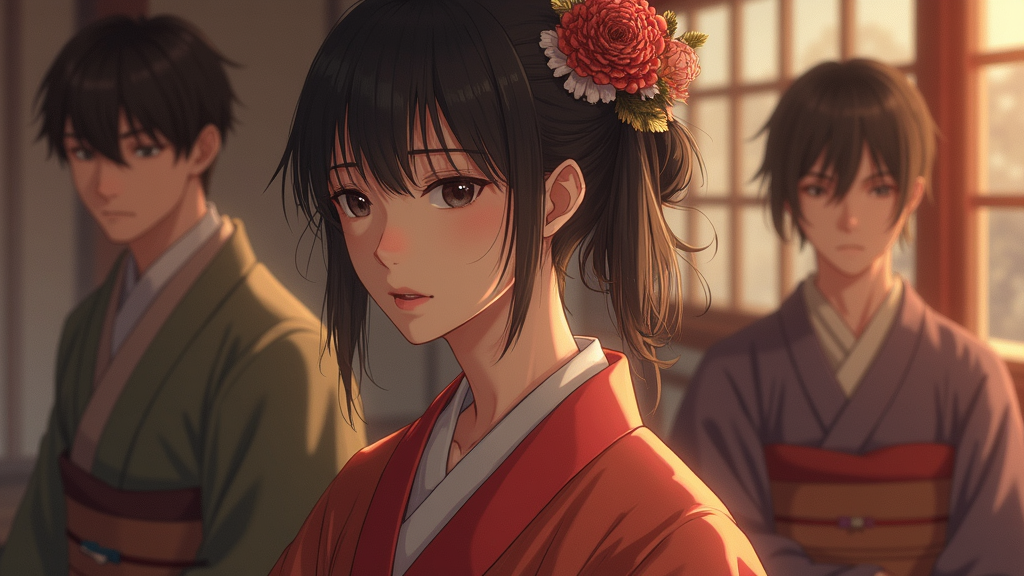
The highly anticipated Babake NHK Morning Drama returns with its 107th episode airing on March 3, captivating audiences every Monday to Saturday at 8 AM. Starring Akari Takaishi as the resilient Koizumi Setsu, the drama intricately weaves the tale of a fallen samurai family in Meiji Japan amidst the challenges of rapid westernization. Viewers are drawn into a unique narrative that explores the couple’s love for Japanese ghost stories, deepening their connection amidst societal changes. With Tommy Bastow portraying her husband, the story intricately captures the essence of their daily lives, creating a rich tapestry of historical and cultural context. Fans of both historical dramas and tales of love and resilience will find Babake a compelling watch, highlighting the struggles and triumphs of those adapting to a new era in Matsue.
In the latest installment of this NHK morning series, the spotlight shines on the intertwined lives of a historical couple navigating the peculiarities of transitioning Japan. The Meiji era, a time marked by profound change, is effectively illustrated through the dynamics of a young couple, with Akari Takaishi embodying the spirit of a determined woman adapting to foreign influences. Love and tradition clash as they embrace their fascination with traditional narratives, including eerie tales from Japanese folklore. The storyline not only captivates but also educates viewers about the cultural shifts that coincide with the family’s experience in Matsue. As they grapple with language barriers and personal growth, the drama offers a heartwarming glimpse into a pivotal moment in Japanese history.
- Exploring the Themes of Meiji Japan in Babake NHK Morning Drama
- The Dynamic Characters of Babake: Toki and Heaven
- Japanese Ghost Stories: A Central Motif in Babake
- The Influence of Akari Takaishi on the Narrative
- Impact of Historical Context on Character Development in Babake
- Cultural Exchange and Its Challenges in Babake
- Love Amidst Struggle in Babake: The Story of Toki and Heaven
- Navigating Identity in a Globalized World: The Lessons from Babake
- Frequently Asked Questions
- What is the storyline of Babake NHK Morning Drama?
- Who are the main characters in Babake NHK Morning Drama?
- When does Babake NHK Morning Drama air?
- How does Babake NHK Morning Drama reflect Meiji Japan?
- What themes are explored in Babake NHK Morning Drama?
- What role do Japanese ghost stories play in Babake NHK Morning Drama?
- How does Toki cope with her struggle to learn English in Babake NHK Morning Drama?
- Summary
Exploring the Themes of Meiji Japan in Babake NHK Morning Drama
The 107th episode of the NHK morning drama “Babake”, featuring the remarkable Akari Takaishi, delves deeply into the transformative era of Meiji Japan. Set against the backdrop of a nation experiencing rapid westernization, the show candidly portrays the challenges faced by the samurai class as they navigate cultural upheavals. Through the eyes of Koizumi Setsu, the daughter of a fallen samurai family in Matsue, viewers gain insights into the struggles of maintaining traditional values in a swiftly changing world. This not only provides a rich context for the characters’ experiences but also illuminates the historical significance of Meiji Japan’s evolution.
The narrative offers a compelling exploration of identity, where Toki’s relationship with her foreign husband, Koizumi Hakubo (Lafcadio Hearn), reflects the broader cultural shifts. The couple’s affinity for Japanese ghost stories serves as a metaphor for their struggle to reconcile their past with an uncertain future. By weaving in elements of traditional folklore, the drama invites viewers to reflect on the enduring presence of historical narratives, even amid modern challenges. As the scenes unfold, the audience becomes captivated by the intricate assembly of love, loss, and the search for belonging, making it a poignant entry in the NHK morning drama series.
The Dynamic Characters of Babake: Toki and Heaven
In “Babake”, character development plays a pivotal role in bringing the story to life, especially through the contrasting personalities of Toki and her husband, Heaven (Tommy Bastow). Toki, portrayed by Akari Takaishi, embodies resilience and curiosity as she grapples with the duality of her existence — being rooted in traditional Japanese culture while embracing the foreign influences in her life. The lessons she learns from her husband, who encourages her to improve her English, highlight her determination to bridge the cultural gap between them. This dynamic relationship emphasizes the complexities of marriage during a time of cultural assimilation.
Heaven, on the other hand, represents the Western perspective entering Japan, eager to document and share his experiences through travelogues. His endeavors in the Philippines encapsulate the period’s expansionist spirit while also showing his sensitivity towards his wife’s struggles. As they face challenges together, such as Toki’s emotional turmoil when witnessing Nagami’s distress and her unexpected collapse, the audience sees how they navigate the emotional maze of their lives. The chemistry between Toki and Heaven not only drives the narrative but also raises essential questions about love and adaptation in a cross-cultural context.
Japanese Ghost Stories: A Central Motif in Babake
Incorporating elements of Japanese ghost stories adds a rich layer of intrigue to the narrative of “Babake”. These tales are not merely entertaining anecdotes; they serve as cultural touchstones that connect the characters to their heritage. Toki and Heaven’s shared love for ghost stories illustrates how folklore can bridge their differing backgrounds. As they recount these haunting tales, they find a common ground that strengthens their relationship amidst the societal changes engulfing them. The presence of these stories emphasizes the struggle of retaining a sense of identity in an era where traditional beliefs are often eclipsed by Western ideals.
The use of ghost stories also allows the series to explore deeper themes of memory and loss — essential aspects of the samurai culture that Toki is longing to preserve. Each story shared between Toki and Heaven not only entertains but serves as a medium for expressing grief and nostalgia, as they navigate their lives shrouded in uncertainties. Additionally, it reflects the wider narrative of a society clinging to its past while stepping into an unfamiliar future. This integration of folklore within the storyline makes “Babake” more than just a historical drama; it’s a profound exploration of cultural integration and emotional reconciliation.
The Influence of Akari Takaishi on the Narrative
Akari Takaishi’s performance as Toki in “Babake” significantly influences the series’ emotional depth and authenticity. Her portrayal captures the essence of a young woman caught between her traditional roots and the demands of a modern world. Viewers resonate with Toki’s struggles — from her aspirations to learn English to her heartache witnessing the challenges faced by those around her. Takaishi’s ability to evoke vulnerability and strength adds complexity to Toki’s character, engaging the audience not just with her journey but also with the broader themes of cultural conflict and adaptation.
Moreover, Akari’s chemistry with her co-star Tommy Bastow heightens the series’ appeal, creating a compelling dynamic that showcases the intricate dance of love and understanding within their cross-cultural marriage. As Toki grapples with her identity and the expectations of her new life, Akari’s performance invites viewers to reflect on their interpretations of tradition and modernity. Through her nuanced acting, Takaishi elevates the story, making it a captivating exploration of the human experience amidst the changes of Meiji Japan.
Impact of Historical Context on Character Development in Babake
The historical setting of Meiji Japan serves as a significant backdrop for character development in “Babake.” It allows viewers to witness the complexities of the socio-political landscape, which in turn shapes the characters’ perspectives and choices. As Toki navigates her life in Matsue, the legacy of her samurai family and the pressures of modernization profoundly affect her character. The series effectively illustrates how the rapid changes in society instill a sense of insecurity and urgency in her journey, influencing her actions and relationships.
Moreover, the impact of history is vividly portrayed through Heaven’s character, whose Western ideals clash with Toki’s traditional values. His experiences and travels bring a unique lens through which the audience can observe the interplay between Western influence and Japanese tradition. This historical context not only enriches the storyline but also enables character arcs that resonate with contemporary viewers trying to navigate their cultural identities. By grounding the narrative in a significant historical timeline, “Babake” becomes an evocative exploration of change, resilience, and the enduring power of love.
Cultural Exchange and Its Challenges in Babake
The relationship dynamics in “Babake” poignantly highlight the theme of cultural exchange, showcasing both the beauty and challenges that arise from it. Toki’s journey to learn English under Heaven’s guidance represents a broader narrative of communication and understanding across cultures. This shared endeavor encapsulates the spirit of blending two worlds, reflecting the historical context of Meiji Japan, where Western customs began influencing Japanese society. However, Toki’s struggles with language also emphasize the difficulties inherent in such exchanges, illustrating that merging distinct cultures can be fraught with misunderstandings and emotional strain.
Heaven’s role as a conduit for foreign ideas places additional pressure on their relationship. He is caught between his desire to share his world with Toki and the realization that his foreign perspectives might overshadow her cultural heritage. As the series unfolds, the couple’s experiences become a microcosm of Japan’s broader cultural transformation, fraught with love, barriers, and the quest for identity. Through their story, “Babake” not only entertains but provides a poignant commentary on the necessity and challenges of embracing cultural diversity in a globalized world.
Love Amidst Struggle in Babake: The Story of Toki and Heaven
At the heart of “Babake” lies a deeply resonant love story between Toki and Heaven, which unfolds against a backdrop of societal turmoil and personal challenges. Their relationship exemplifies the intricate balance of affection and conflict as they navigate the intricacies of their cross-cultural marriage. Toki’s emotional journey, punctuated by moments of vulnerability, creates a rich tapestry that reflects the broader themes of struggle and resilience. Despite the challenges posed by language barriers and cultural differences, their unwavering love becomes a source of strength, allowing them to confront and overcome obstacles together.
The unfolding narrative not only examines romantic love but also delves into the theme of love for one’s heritage and identity. Toki’s journey to reconcile her past with her present becomes a crucial element of her character arc, driving the emotional weight of the series. As she confronts her fears and insecurities, Toki’s development offers a powerful commentary on the human spirit’s capacity to adapt and thrive amid adversity. This blend of personal and cultural narratives makes “Babake” a profound exploration of love, identity, and the ties that bind us through difficult times.
Navigating Identity in a Globalized World: The Lessons from Babake
As seen in “Babake”, the struggle for identity in a rapidly globalized world is a potent theme that resonates deeply with contemporary audiences. Toki’s character encapsulates this struggle, embodying the conflict between tradition and modernity as she navigates her place within an evolving society. The series encourages viewers to reflect on their relationships with cultural heritage, particularly as globalization continues to challenge and redefine individual and collective identities. Through Toki’s experiences, the narrative illustrates the importance of understanding and embracing one’s roots while being open to new influences.
Moreover, Heaven’s foreign perspective adds an additional layer to this exploration of identity, highlighting the transformative power of love in bridging cultural gaps. Both characters’ journeys invite conversations around adaptability and the acceptance of diverse identities in a globalized environment. As they face challenges together, they underscore the potential for cross-cultural relationships to foster mutual growth and understanding. Ultimately, “Babake” serves as a reminder of the ongoing journey of self-discovery that many individuals face today, making it relevant and resonant in a complex, interconnected world.
Frequently Asked Questions
What is the storyline of Babake NHK Morning Drama?
Babake NHK Morning Drama follows the life of Koizumi Setsu, also known as Toki, played by Akari Takaishi. Set during the era of Meiji Japan, the drama portrays the challenges faced by a fallen samurai family in Matsue, navigating the complexities of westernization and their relationships, particularly between Toki and her foreign husband, Koizumi Hakubo, portrayed by Tommy Bastow.
Who are the main characters in Babake NHK Morning Drama?
The main characters in Babake NHK Morning Drama include Toki, played by Akari Takaishi, and her husband Heaven, portrayed by Tommy Bastow. The drama also features notable characters like Eliza, played by Charlotte Kate Fox, and Nagami, played by Nobumitsu Onishi.
When does Babake NHK Morning Drama air?
Babake NHK Morning Drama airs every Monday to Saturday at 8 AM, with the 107th episode scheduled to air on March 3.
How does Babake NHK Morning Drama reflect Meiji Japan?
Babake NHK Morning Drama reflects Meiji Japan by showcasing the rapid cultural and societal changes during this period, particularly through the experiences of a fallen samurai family’s daughter, Toki. The narrative illustrates how westernization impacts Japanese traditions and individual lives in Matsue.
What themes are explored in Babake NHK Morning Drama?
The themes explored in Babake NHK Morning Drama include love, cultural clashes, the challenges of education (particularly English learning for Toki), and the influence of Japanese ghost stories on the characters’ lives in the context of transitioning into a modern society.
What role do Japanese ghost stories play in Babake NHK Morning Drama?
Japanese ghost stories are significant in Babake NHK Morning Drama, as they are a shared interest between Toki and her husband Heaven. This cultural element enriches their relationship and serves as a narrative device to highlight traditional Japanese elements amidst the backdrop of the Meiji era’s westernization.
How does Toki cope with her struggle to learn English in Babake NHK Morning Drama?
In Babake NHK Morning Drama, Toki, played by Akari Takaishi, copes with her struggles to learn English with the support of her husband Heaven (Tommy Bastow). Despite her dedication and hard work, Toki faces challenges that reflect the broader theme of adapting to change during the Meiji era.
| Episode | Air Date | Main Characters | Plot Summary |
|---|---|---|---|
| 107th | March 3, 2023 | Toki (Akari Takaishi), Heaven (Tommy Bastow) | Set in Meiji Japan, the story focuses on Toki, the daughter of a fallen samurai family, and her foreign husband, Heaven, as they face the challenges of their era. |
| 113th Installment | Heaven attempts to train Toki in English while being invited to write a travelogue in the Philippines. Toki struggles with English and faces a critical moment when she collapses. |
Summary
Babake NHK Morning Drama captures the transition of Japan during the Meiji era through a compelling narrative of love and adaptation. The upcoming 107th episode sheds light on Toki’s challenges as she balances her traditional upbringing with the demands of a changing society, making it a poignant reflection on the personal versus the cultural. As the drama unfolds, viewers are invited to explore the complexities of life in a rapidly modernizing world.
Introducing Autowp, your ultimate AI content generator and AI content creator plugin for WordPress. Transform your website with high-quality content crafted by cutting-edge artificial intelligence, designed to enhance user engagement and improve SEO performance. With Autowp, you can effortlessly generate articles, blog posts, and marketing copy that resonate with your audience while saving you valuable time. Experience the future of content creation today! To remove this promotional paragraph, upgrade to Autowp Premium membership.

コメント